General Pest Control
A first look at an unidentified pest problem: the visit names the culprit, maps how it is getting in, and only then proposes the work.
Rowhouse rodents, bed bugs moving through shared walls, carpenter ants in damp sills and the fall invaders that gather on sunny brick. Call, describe the signs, and a technician is arranged.
Fastest: call (855) 974-4733. Or send this and we call you back.
Local weather drives activity here: heat, humidity and rain change what shows up week to week.
Troy Pest Control takes calls about pests across Troy and the towns around it, from Lansingburgh and Watervliet to Cohoes and Averill Park. The phone is answered at any hour. Same-day service is possible when a technician is free, and the price is explained and approved before any treatment begins.
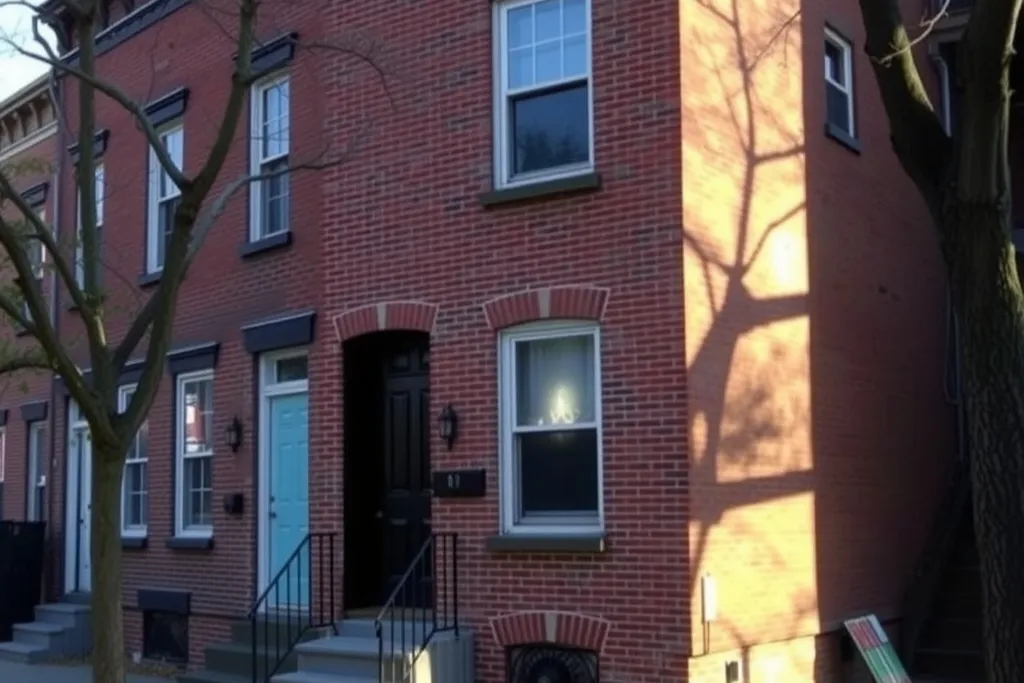
More than half of the houses in Troy were built before 1940, and owner occupancy sits at about 37 percent according to Census figures, so a great deal of the work is in rented brick rowhouses and converted mill-era blocks. Pests in those buildings tend to move through party walls, pipe chases and shared attics, which means a visit has to look past the room where the sign was seen.
The calendar is predictable enough to plan around. Mouse pressure tends to climb as late fall arrives, stink bugs and boxelder bugs gather on sunlit walls as the days shorten, and local pest companies place Hudson Valley termite swarms in late April and May. Carpenter ants appear wherever wood stays damp, in a basement sill or behind a leaking bathroom wall.
Pick a service for symptoms, process and typical cost, or call and describe what you hear and see.
A first look at an unidentified pest problem: the visit names the culprit, maps how it is getting in, and only then proposes the work.
Trapping and monitoring for mice already inside the building, with trap placement based on evidence and readings that show whether the work is succeeding.
Closing the openings mice use so that trapping and treatment have a lasting result, with each gap found, measured and listed for repair.
A rat job starts with signs of burrowing, gnawing and runs, then uses trapping and exclusion matched to what the inspection finds.
Inspection of sleeping areas and furniture, a plan that covers every room where bed bugs have been found, and follow-up checks before the job is closed.
Pest control planned for the whole building rather than one apartment, covering shared walls, common basements and the units that connect to them.
A targeted program for German cockroaches in kitchens, bathrooms and attached apartments, built around harborage, moisture and the wall spaces that link one unit to the next.
Finding the nest in damp or softened wood, treating it where the colony lives, and correcting the moisture that made the wood attractive in the first place.
Tracing ant trails to their entry point and their colony, then treating each species on its own terms rather than spraying whatever is walking across the counter.
A careful inspection of the foundation, sills and wood for eastern subterranean termites, followed by a treatment plan that covers the colony and the wood contact points.
Sealing the upper envelope and timing exterior work before the autumn gathering, so stink bugs and boxelder bugs have fewer ways to reach the living space.
Cluster flies gather in attics and wall voids, so the work is an attic and void inspection, a sealing plan and a clear explanation of the seasons when they enter.
Identifying the species and the nest site, treating the colony when activity is at its lowest, and sealing the spot so a new colony has no reason to return.
Clearing the webs and egg sacs in cellars and crawlspaces, reducing the insects that spiders feed on, and sealing the gaps where they come in.
Treating the wooded edges, leaf litter and tall grass where blacklegged ticks are most likely to be found, timed to the warm months and explained in plain language.
Tracing moths and beetles to the food that holds them, removing what is infested, and storing dry goods so the cycle cannot restart.
A pest inspection done before a sale closes, covering wood-destroying insects, rodent evidence and entry points, with the findings written for the buyer.
Scheduled inspections, written service logs and treatment timed around business hours for restaurants, offices and the mixed-use blocks of downtown Troy and the nearby cities.
Calls are taken at any time of day or night. A same-day visit is possible when a technician is free, and no arrival time is promised to anyone in advance.
Nothing is applied until someone has walked the outside at ground level, checked the basement or crawl space and found what is actually there.
Rowhouses and converted homes are planned as buildings, with the neighboring spaces considered, because a treatment that stops at one door often fails.
The figure is explained line by line after the inspection. You can decline any item, and the written findings stay with you either way.
Ask for the technician's New York State Department of Environmental Conservation certification and verify it with the state before any product goes on the property.
Every visit leaves findings: the openings, the signs, the areas checked and the limits that could not be reached, so the next visit starts from facts.
Droppings in a pantry, a line of dust under a sill, insects on an upstairs window or a damp smell in the basement: each detail narrows the visit before anyone drives out.
A technician checks the foundation, the utility entries, the rim joist, the gutters and the grade next to the wall, since those decide most of what happens inside.
The basement or crawl space, the rooms with signs, the shared spaces and the attic hatch where there is one, with notes on what is found and where.
The findings are set out as separate lines, each with its method, and you approve the lines you want before any work starts.
Rodents and fall invaders lead the list, followed by bed bugs in shared buildings and carpenter ants where wood has stayed wet.
Older masonry gives mice and rats many gaps around pipes, cables, sills and party walls, and the first cold nights move them indoors. The calls that follow tend to describe droppings behind a stove, scratching in a wall at night or chewed packaging in a pantry, and each one is a reason to inspect the building rather than only the room.
Bed bugs and German cockroaches are the other common subject, particularly in attached units where pest companies describe movement through shared walls and plumbing spaces. Carpenter ants and termites are called about less often, but they are the ones that tend to matter most for the structure, so they are checked on every inspection of an older building.
Because most of the older stock in Troy is rented, and in attached buildings a pest does not respect the line between one tenancy and the next.
A landlord or property manager may be responsible for several units, and the tenants may change faster than the building does. A plan that lists the units, the shared spaces and the follow-up dates gives everyone one record to work from, rather than a separate story for each household.
Access is the practical part. Tenants are asked ahead of time to clear the space under sinks and beside beds, and the owner is asked to arrange access to the neighboring units where the route may run. The plan says which spaces were checked and which could not be reached.
Pests follow the weather, so the calls change through the year and a plan can be timed to what is most likely to be active.
Termite swarms are reported in late April and May in the Hudson Valley, and that is the season when homeowners most often see winged insects on a windowsill and wonder what they are. An inspection before the swarm gives the technician a baseline for the structure.
Late summer and fall bring cluster flies, stink bugs and boxelder bugs looking for shelter, and rodent pressure rises as the weather turns. Sealing done before the first cold nights prevents much of the indoor activity that follows.
The call takes the details, a technician is arranged, and the visit begins with an inspection that is written down before any product is chosen.
When you call, someone picks up and takes the details: the address or ZIP, the signs, the rooms affected and whether a basement, crawl space or attic can be entered. The technician who attends is the person who inspects and advises, and the call does not promise a particular arrival time.
The findings come first and the plan follows. You will hear the factors that affect the figure, the lines in the plan and the reasons for each one. Nothing is applied until you have approved the items you want, and you can ask for the findings in writing whether or not you go ahead.
ZIP 12180
ZIP 12180
ZIP 12182
ZIP 12189
ZIP 12047
ZIP 12183
ZIP 12188
ZIP 12110
ZIP 12198
ZIP 12128
ZIP 12204
ZIP 12205
ZIP 12211
ZIP 12210
ZIP 12144
ZIP 12140
ZIP 12121
ZIP 12196
ZIP 12018
ZIP 12153
ZIP 12061
ZIP 12052
ZIP 12154
ZIP 12118
ZIP 12185
ZIP 12082
ZIP 12065
ZIP 12033
Troy, NY · 25 km service radiusCall (855) 974-4733
We also cover many smaller communities across Rensselaer County. Check your ZIP.


Tell us what's happening and we'll tell you honestly whether it's a quick fix, and what pest control should cost.
This guide prints no dollar figure, because the figure depends on the building, the pest, the openings and the number of visits, none of which is known before someone inspects the property.
Rats settle where they find shelter close to food and water, and older brick blocks offer all three through old mortar, utility penetrations, shared walls and crowded basements.
Mice follow warmth and shelter, and attached rowhouses share walls, chases and attic spaces that carry those conditions from one unit to the next.
The phone is answered at any hour, and a same-day visit is possible when a technician is free. No arrival time is promised, because the honest answer depends on where the technician is and what the day holds.
You will get the factors rather than a figure. The figure depends on the building, the pest found, the openings and the visits the plan needs, and it is explained after the inspection and approved before anything is applied.
Yes, and those buildings are planned as buildings. The owner or manager is asked to arrange access to shared spaces, and tenants are asked to clear the areas the technician needs to reach.
They overlap but are not identical. Both are handled by finding and closing entry points and placing devices where the signs show activity, though the signs and the methods differ, and a technician identifies which animal is present first.
The inspection decides. A treatment limited to one unit often fails when the neighboring units and shared spaces are left alone, so the plan usually covers the adjoining spaces as well.
That is normal. Describe the signs when you call, including where you found them, and the technician will sort out which pest is present during the inspection rather than guessing from a phone description.